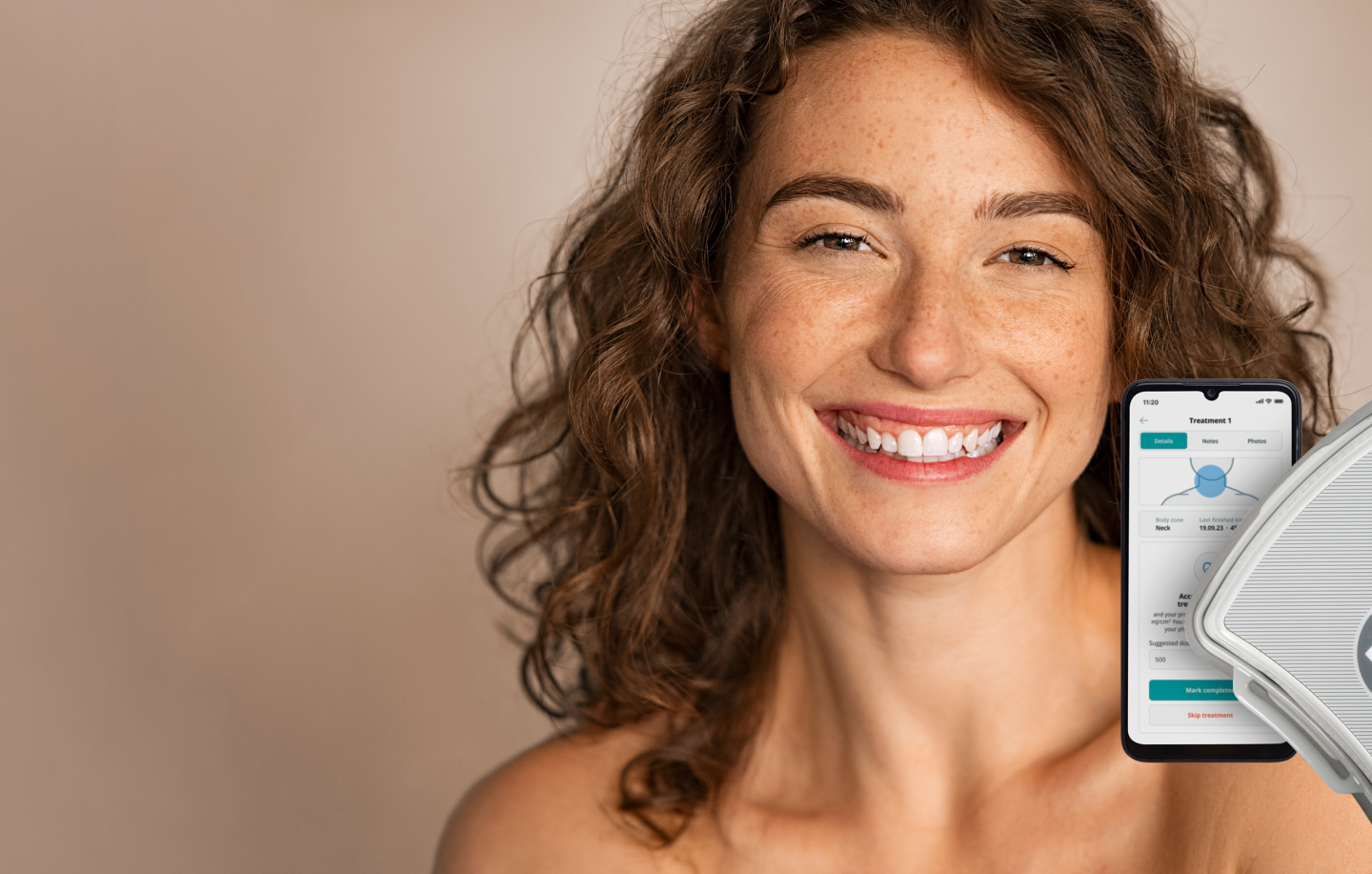
The clinic treatment for psoriasis, vitiligo and eczema. Finally at home.
Whether topical treatments have stopped working, or you've been waiting months for a clinic appointment — UV Tactus delivers the same NB-UVB phototherapy your dermatologist uses, with a dosimeter that measures your exact dose and an app that guides every session. So you can be yourself again.- Certified medical device. At home. No clinic. No waiting list.
- Developed by a doctor living with psoriasis.
92% of patients report visible improvement within their first treatment course.

Rated 4.8/5 based on 123,000+ treatments




For many people, this moment is a turning point.
You may feel exhausted and powerless over your skin — persistent symptoms, treatments that no longer work, or growing concern about the long-term steroid use. It can feel overwhelming, and you may not know what to try next. You are not alone. These are common experiences for people living with psoriasis, vitiligo and dermatitis.
When creams are no longer working or well tolerated, dermatologists typically recommend NB-UVB phototherapy as the next step — a well-established, evidence-based treatment used in clinics worldwide for over 30 years. The problem is access: waiting lists run to 18 months, and 3 sessions a week simply doesn't fit most lives.
UV Tactus brings clinical-grade NB-UVB home — a CE-certified medical device with a professional dosimeter measuring your exact dose and an app that guides every session — so you always know exactly what to do. The results and clinical precision of your dermatologist's clinic. No waiting list. No clinic. On your own schedule.
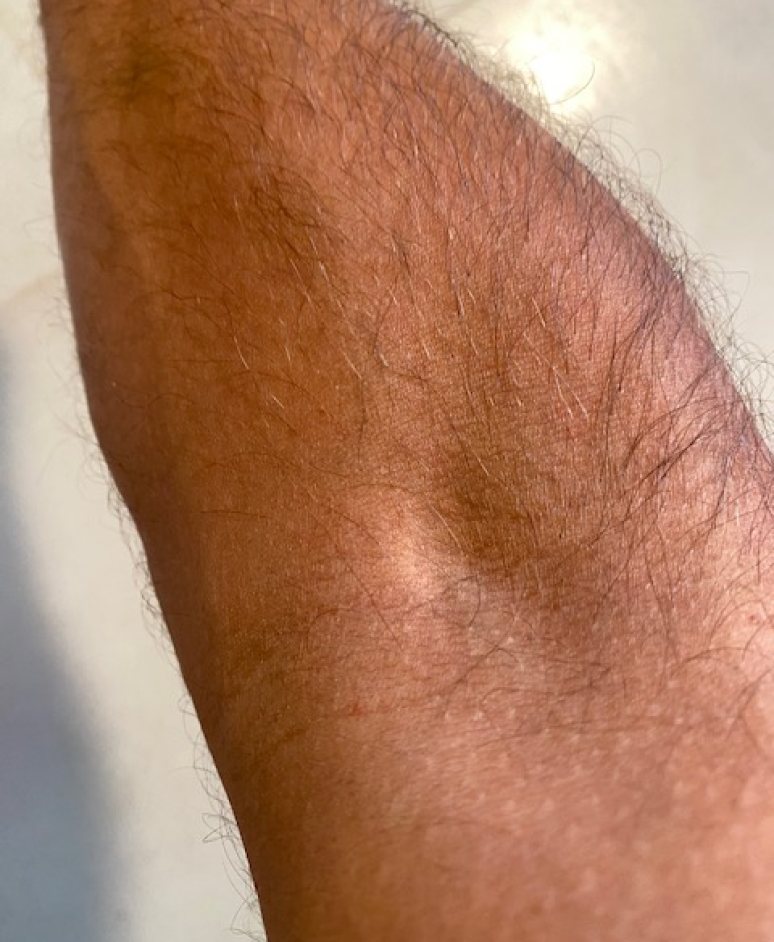
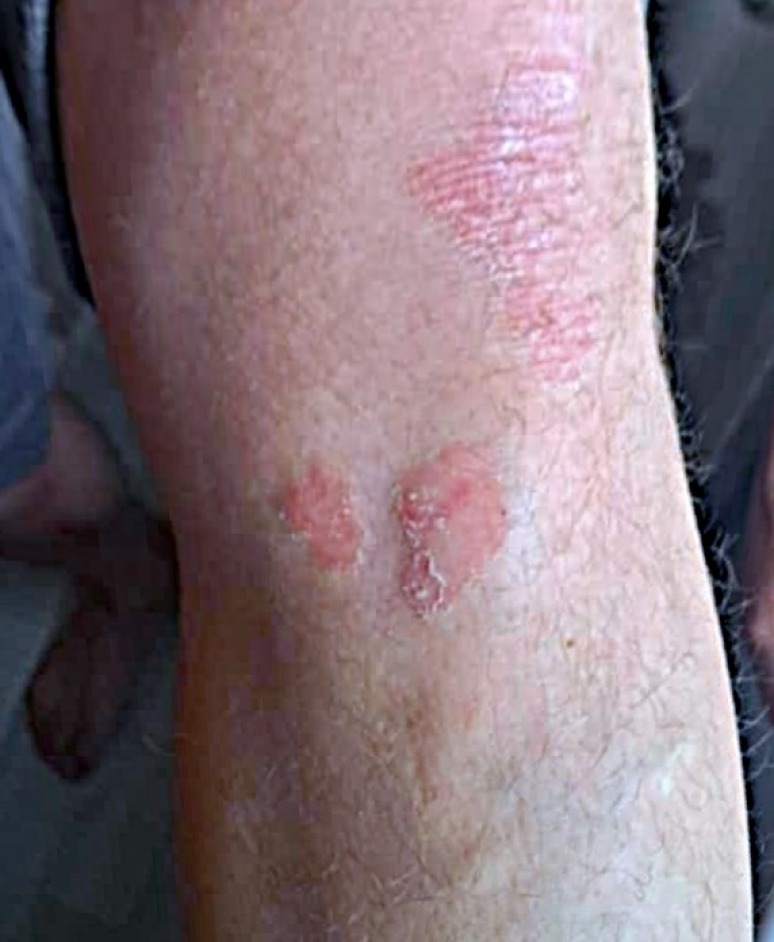
This is how change looks like
92% of UV Tactus patients report visible improvement within their first treatment course — across 123,000+ treatments performed.
Itch soothed. Skin condition improved. Emotional wellbeing restored. Confidence regained.
These are real UV Tactus patients. The change is possible for you too.
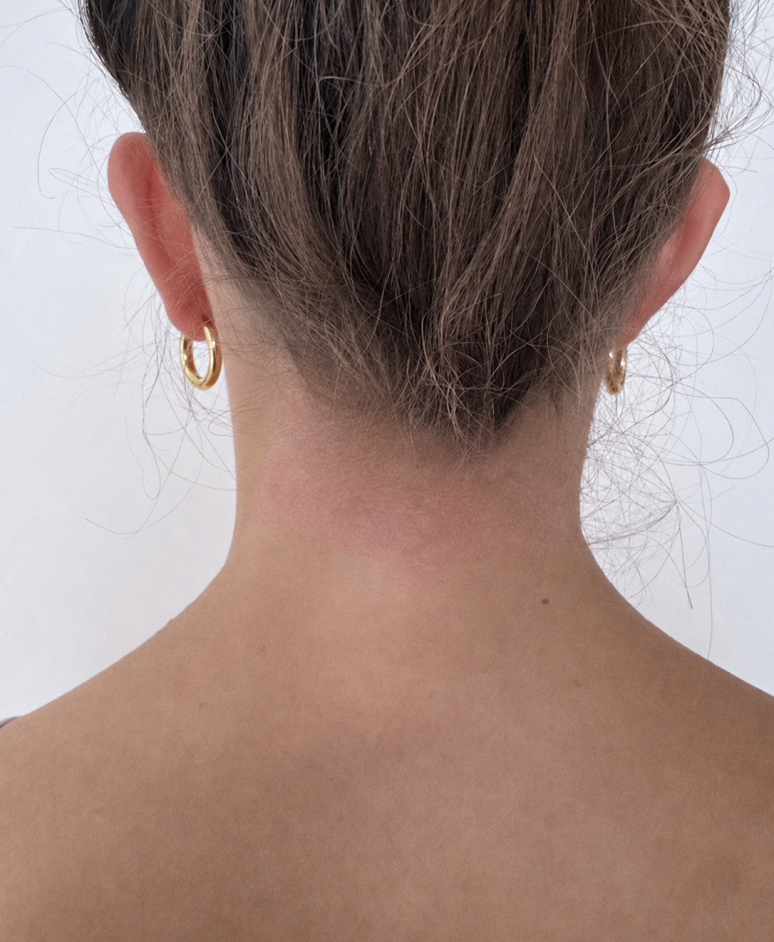
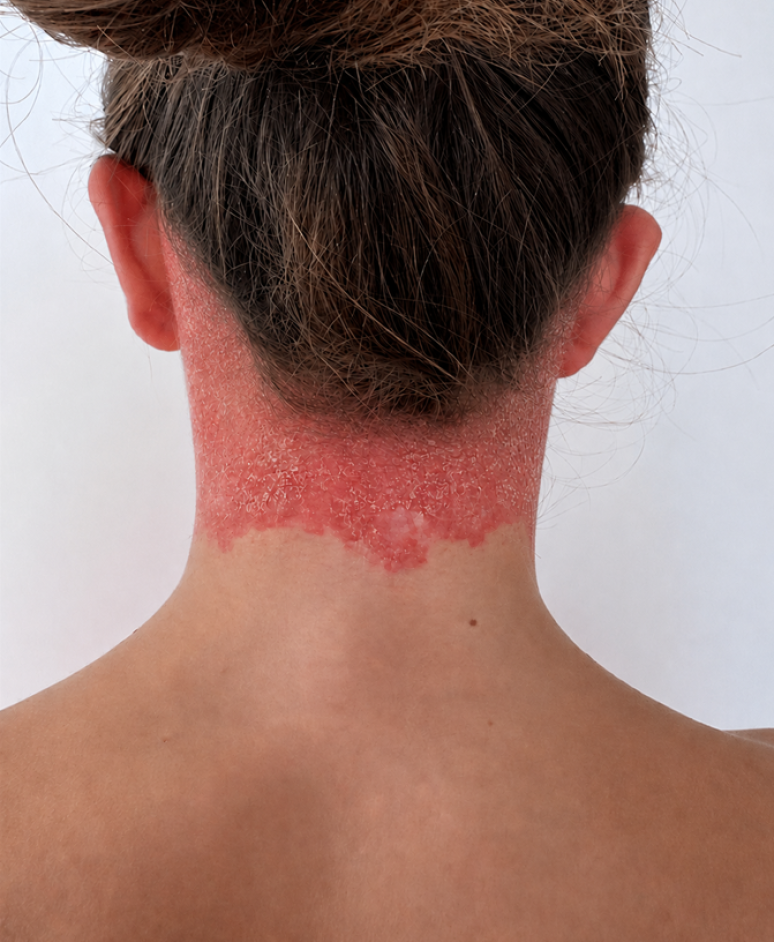
Psoriasis: 2 months with UV Tactus
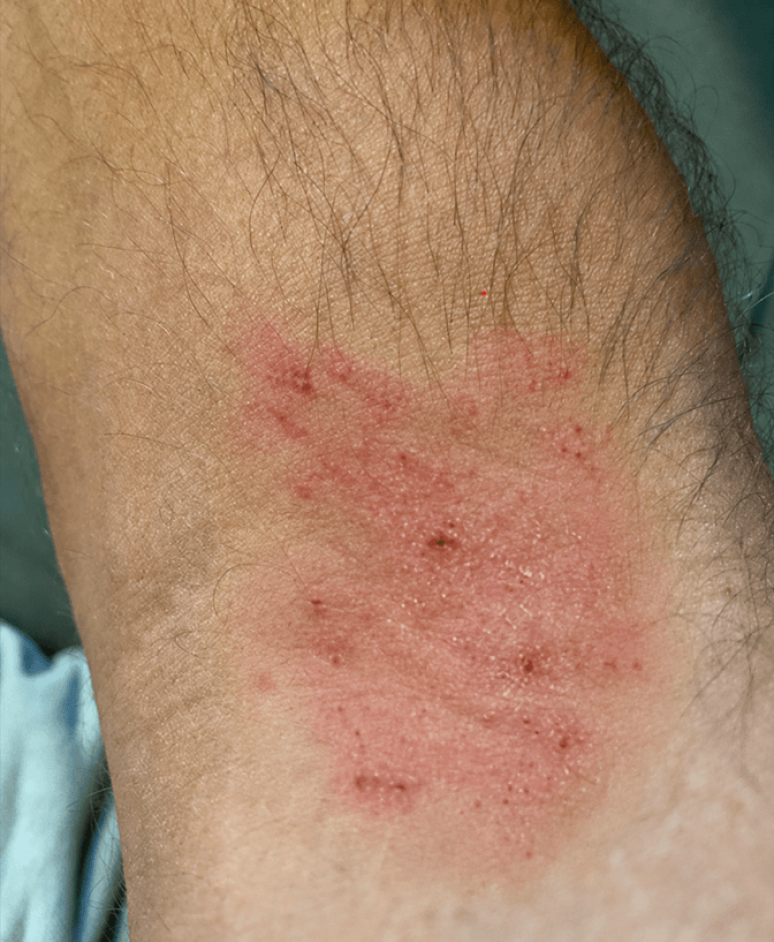
Eczema: 1 month with UV Tactus
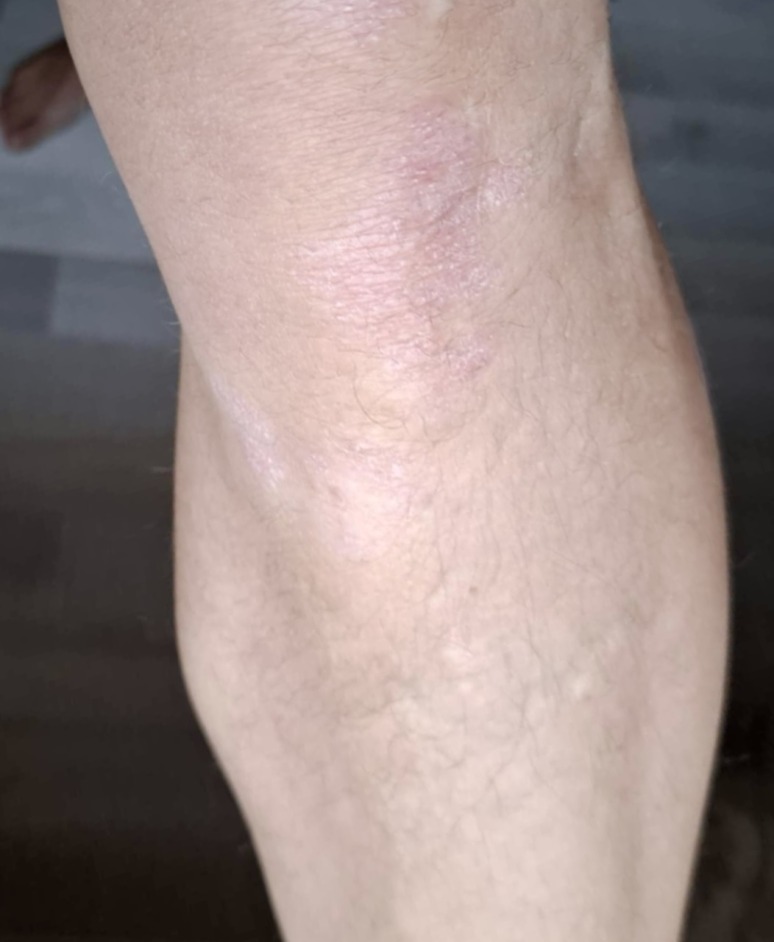
Psoriasis: 1.5 months with UV Tactus
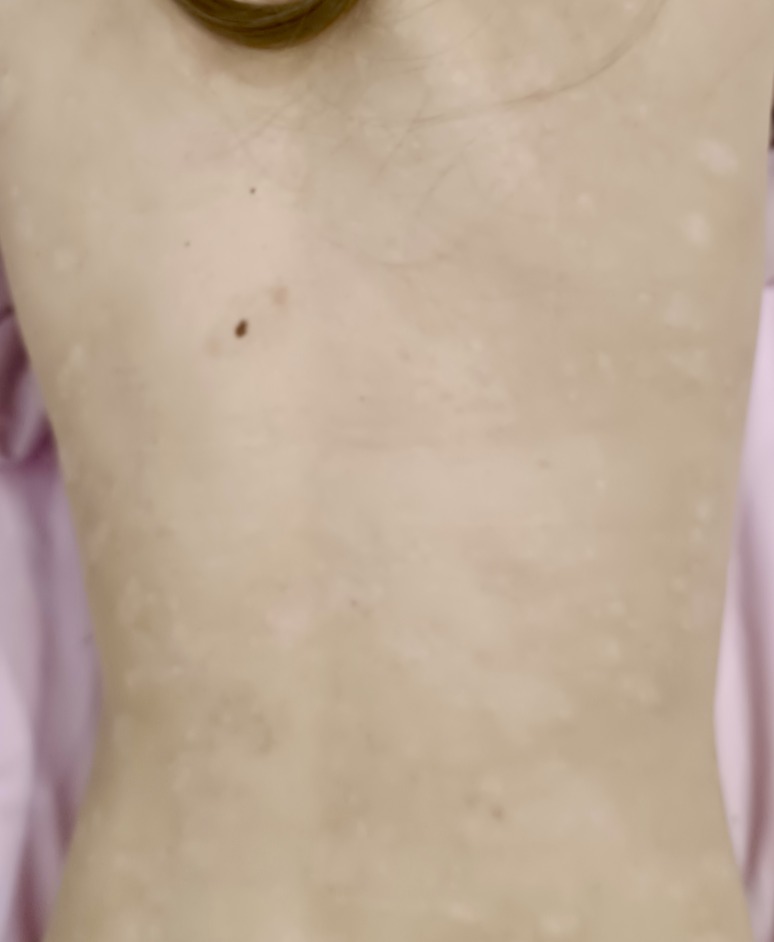
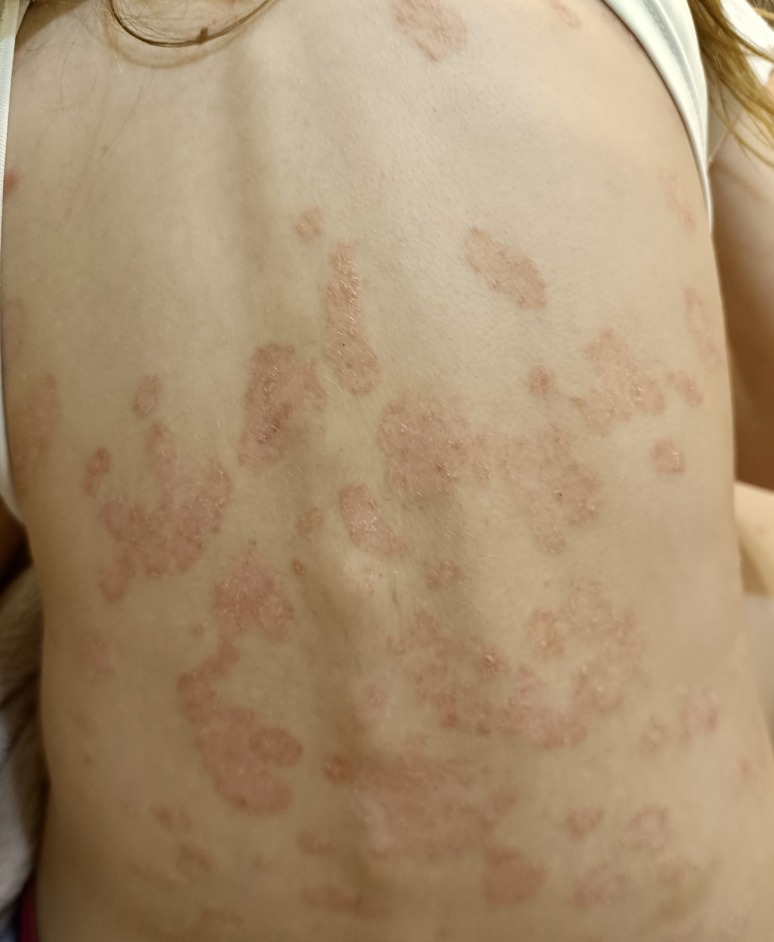
Psoriasis: 1.5 months with UV Tactus
Your condition is specific. Get answers that are too.
Book a free one-to-one session with one of our specialists.
We'll review your individual case and give you an honest assessment of whether UV Tactus is the right next step — including if it isn't. No scripts. No pressure to buy.
- 15-30 minutes · Free · No obligation

Ruta, UV Tactus expert
"If previous treatments have let you down, this conversation is for you."
FAQ
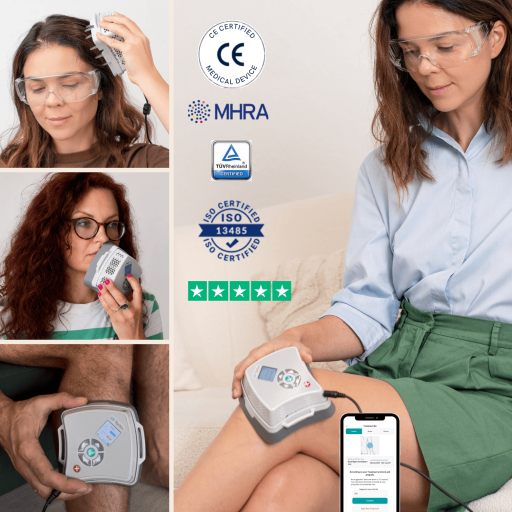
Yes. UV Tactus is a CE MDR Class IIa certified medical device, certified in Germany by TÜV Rheinland and listed with the MHRA in the UK. That is the same regulatory standard as equipment used in hospital phototherapy departments to treat conditions such as psoriasis, eczema and vitiligo.
Beyond certification, UV Tactus includes additional safety features not found in other home devices:
-
An integrated professional dosimeter measures the UVB narrowband dose your skin receives in real time, in Joules — exactly as in a dermatology clinic. UK dermatology guidelines emphasise that accurate dose delivery (dosimetry) is critical for both the safety and effectiveness of UVB treatment¹;
-
The device stops automatically when the set dose is reached — you do not overexpose yourself;
- The app guides every session step by step, so you always follow the correct treatment protocol;
-
Silicone applicators shield surrounding healthy skin from UV exposure;
-
The device is fully digital and requires confirmation for key actions, reducing the risk of accidental misuse.
Why this matters: Together, these features reduce guesswork, minimise the risk of over- or underexposure, and deliver clinic-level treatment safely at home.
UV Tactus uses narrowband UVB (311 nm) — not UVA — which has a well-established long-term safety record and has been used in dermatology for decades.
Home UV treatment is safe for many people, but some conditions — such as photosensitivity disorders or previous skin cancer — may mean it is not suitable. Medical advice should always be sought before starting treatment.
NB-UVB phototherapy at 311 nm is an established, evidence-based treatment for psoriasis, eczema, and vitiligo, recommended in clinical guidelines worldwide. The LITE Randomised Clinical Trial (JAMA Dermatology, 2024) confirmed that home NB-UVB is as effective as in-clinic treatment across all skin tones.
92% of UV Tactus users report visible improvement within a few weeks of consistent use, based on 123,000+ treatments performed.
UV Tactus is designed for localised or moderate skin conditions. If your condition covers most of your body and requires a full phototherapy cabin, it is not the right fit.
A useful indicator: if your skin tends to improve in sunny weather, it may respond well to UVB light therapy — UV Tactus delivers the same therapeutic wavelength in a controlled, precise, medical-grade way.
In clinical practice, phototherapy is often recommended as the next step when topical creams stop working, cause side effects, or cannot be used long-term. It is a drug-free, steroid-free treatment with decades of clinical use behind it, and it can be used alongside other treatments depending on your dermatologist's recommendation.
Results depend on following the treatment correctly and consistently — optimal improvement for psoriasis and eczema typically takes 2–3 months, and longer for vitiligo.
If you already have a diagnosis and your dermatologist has mentioned phototherapy as an option, you are in a good position to start. If you are unsure whether UVB phototherapy is suitable for your condition, we recommend consulting your dermatologist before starting.
If you have previously had phototherapy in a clinic, continuing treatment at home with UV Tactus is a natural next step — many patients make this transition and simply carry on with their regular dermatology check-ups as normal.
And if you are not sure where you stand at all, book a free consultation — we will be honest about whether UV Tactus is the right fit, and we will not sell you something that is not right for you.
Yes — and the evidence goes further than most people expect.
The LITE Trial (JAMA Dermatology, 2024) — 783 patients, 42 centres, all skin types — confirmed that home-based narrowband UVB phototherapy is as safe and effective as hospital treatment. In almost every measure, home treatment outperformed the clinic: higher skin clearance rates, greater quality of life improvement, and home patients were 3.2 times more likely to complete the full treatment course. The safety profile was identical in both groups.
Adherence is the key reason. Phototherapy is cumulative — more sessions mean stronger results. When patients do not have to travel to a clinic two or three times a week, they simply keep going. The authors concluded that home phototherapy may be considered a first-line option.
UK dermatology guidelines (BAD/BPG 2022) specifically recommend it for patients facing waiting times or travel barriers².
Beyond the clinical results, home treatment offers real practical benefits: no waiting lists, no fixed appointments, and the ability to treat a flare-up the moment it starts. It fits around your routine rather than the other way around — and for people living far from a dermatology centre, it removes a significant barrier entirely. It is also more cost-effective, removing the expense of repeated travel and clinic visits. With UV Tactus at home, most people simply find it easier to stay consistent — and consistency is what drives results.
One important note: UK guidelines emphasise that accurate dose delivery (dosimetry) is critical for both safety and effectiveness, whether treatment is in hospital or at home². Inaccurate dosing can lead to under-treatment, delayed results, or side effects. When treating at home, choosing the right medical device matters.
See how UV Tactus is different from other UV devices here.
References:
It depends on your condition and how your skin responds. Consistency is essential — missed sessions can delay progress.
- Psoriasis and atopic dermatitis (eczema): Many people notice reduced redness, scaling, and itch within 2–4 weeks of consistent use (roughly 6–12 sessions). Significant improvement typically develops over a full course of 20–25 sessions, which takes around 6–8 weeks.
- Vitiligo: Repigmentation takes longer — usually several months to a year of consistent treatment.
92% of UV Tactus users report visible improvement within a few weeks. But phototherapy is a process, not a quick fix. The UV Tactus app keeps you on schedule, tracks your progress, and helps you follow the correct protocol.
The recommended treatment frequency is three times per week, allowing the skin time to recover between sessions. Each session for a specific area lasts from a few seconds to several minutes, depending on the dose. As different body areas may respond at different rates, home use with UV Tactus allows fully personalised treatment for each area as needed — the app organises everything clearly, so it is easy to follow the plan without confusion.
With UV Tactus at home, you follow the same treatment protocols, safety standards, and dose accuracy used in clinical settings — without the travel or waiting lists.
No — a standard treatment course is 20–25 sessions (approximately 8 weeks at 3×/week). Many patients achieve remission after a completed course. Some patients choose to do maintenance treatment periodically — NB-UVB remains effective as a repeated, long-term therapy. Because UV Tactus is a lifetime device, if you need to treat again in the future following a flare or seasonal relapse, you have immediate access without rejoining any waiting list.
UV Tactus is the only portable, CE MDR-certified home phototherapy device with an integrated professional dosimeter using LED technology.
Here is what you give up with a cheaper device:
- No dosimeter — just a timer. As the lamp ages and weakens, the timer loses all meaning. You have no idea how much UV your skin is actually receiving — which is neither safe nor effective. UV Tactus measures real UV energy in real time in mJ/cm² — the same standard used in dermatology clinics — and stops automatically when the correct dose is reached.
- Fluorescent lamps degrade quickly. UV Tactus uses LEDs, which are significantly more stable and consistent treatment after treatment.
- No companion app. No protocol guidance, no dose calculation, no progress tracking, no way to share data with your doctor.
- Some are not CE MDR certified. UV Tactus holds CE MDR Class IIa certification — the same standard as hospital phototherapy equipment.
UV Tactus also has 4 individually controlled treatment zones across a 106 cm² surface — approximately twice the size of most competing devices — so you cover areas faster and target them more precisely.
Every purchase includes a personal video onboarding session and ongoing support from a real person, reachable by phone, email, or chat.
Where others guess, UV Tactus measures. Where others generalise, UV Tactus personalises. The difference is clinical precision at home — versus guesswork at home.
You do not need a prescription to buy UV Tactus. But a confirmed diagnosis matters.
Phototherapy works best when you know what condition you are treating and that it responds to narrowband UVB. If you already have a diagnosis and your dermatologist has mentioned phototherapy as an option, you are in a good position to start.
For those who have already completed a course of clinic-based phototherapy, continuing treatment at home is very common. Many patients transition to UV Tactus and simply carry on with their regular dermatology check-ups as normal — no change to their follow-up care, just no more clinic trips for the treatment itself.
If you have never been diagnosed, we strongly recommend getting one first. UV Tactus supports your home treatment — it does not replace a medical diagnosis or ongoing follow-up care.
Not sure where you stand? Book a free consultation. We can help you work out whether UV Tactus is right for your situation and what to do next.
Yes. UV Tactus can treat any part of the body — arms, legs, torso, hands, feet, scalp, ears, and face.
- Scalp: The comb attachment separates hair so the light reaches the skin directly, with a gentle massage action.
- Body and limbs: Two silicone applicators — one flat, one curved — keep the device at the correct distance and shield surrounding healthy skin.
- Longer sessions: Hands-free velcro straps hold the device in place so you can relax while treating.
The treatment area covers roughly a palm-sized patch at once (106 cm²), divided into four individually controlled zones. You can activate only the zone you need, targeting small patches precisely without exposing surrounding healthy skin. For conditions like vitiligo, where affected areas can be very small — such as around the eye, which corresponds to approximately one zone — this level of control makes a real difference.
For larger areas, you simply treat in sections — each taking just seconds to a few minutes.
In the UV Tactus app, you can set up separate treatment plans for different body areas, so each area is tracked and the treatment is adjusted individually according to its response.
Thanks to its versatile immune-modulating and cell-regulating effects, UVB phototherapy can be used as an effective primary or secondary treatment for a wide range of dermatological conditions and skin diseases. Doctors and patients use UV Tactus light therapy to treat skin conditions such as: Psoriasis, Eczema, Atopic dermatitis, Neurodermitis, Vitiligo, Mycosis fungoides, Lichen planus, Pityriasis lichenoides, Morphoea (Scleroderma), Chronic urticaria, Pruritus, Photodermatoses, etc.
UV Tactus is optimised for localised and moderate skin conditions. It is not suited for extensive full-body coverage, which requires a full phototherapy cabin.
You do not need the app to operate the device — UV Tactus works fully on its own.
But the app makes treatment significantly easier, clearer, and stress-free. The full UV Tactus treatment protocol is built directly into the app, so every session is guided step by step — no need to cross-reference instructions or work anything out yourself.
- It calculates the correct dose for each body area and session — no manual calculations needed.
- It sends session reminders and keeps a treatment calendar so you can see exactly what you have done and what comes next.
- It lets you upload progress photos, add notes for specific sessions, and share treatment reports directly with your dermatologist.
Most people who struggle with home phototherapy do not just lose consistency — they do not know what the correct protocol is in the first place. Device instructions are often technical and confusing. Without clear guidance, people either give up, continue incorrectly, or do not know what to do when they miss a session or their skin reacts. Both under-treatment and overexposure are real risks when there is no structure to follow.
The app removes all of that. It tells you exactly what to do at every stage, including how to adjust when something changes. You always know what comes next — and consistency, built on clear guidance, is the single biggest factor in how well phototherapy works.
A medical device is a product specifically designed to diagnose, prevent, monitor, or treat a medical condition. Unlike consumer wellness gadgets or cosmetic devices, a certified medical device must meet strict regulatory standards — independently reviewed and verified — before it can legally be sold as one.
To hold a CE medical device mark in the EU, a device must demonstrate clinical evidence of safety and effectiveness, comply with the EU Medical Device Regulation (MDR) 2017/745, and be manufactured under an ISO 13485-certified quality management system. The certification is not self-declared — it is issued by an independent notified body after a rigorous review process.
UV Tactus holds CE MDR Class IIa certification, verified by TÜV Rheinland in Germany (CE 0197) — one of the most respected notified bodies in Europe. It is also ISO 13485 certified and MHRA listed in the UK.
- UV Tactus is certified specifically as a device that treats skin conditions such as psoriasis, eczema, and vitiligo — not a cosmetic product, not a beauty device, not a wellness lamp. Its medical purpose is recognised and verified by regulatory authorities.
For you as a patient, this means one thing above all: UV Tactus has been independently confirmed to be safe and effective for its intended medical purpose. It is held to the same standards as equipment used in dermatology clinics — built and tested accordingly.
View UV Tactus certificates here


